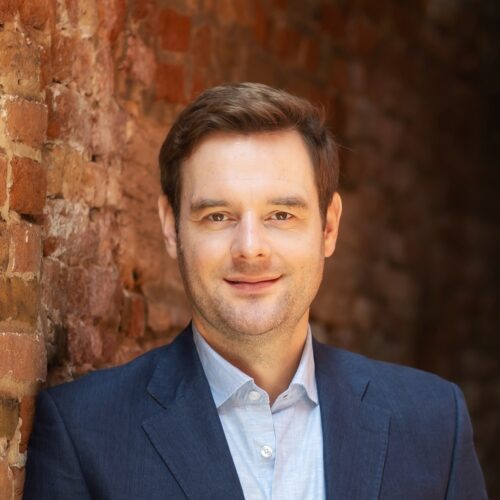
[:de]Der Tenor Daniel Jenz gehört seit 2020 dem Ensemble der Wiener Staatsoper an. Jüngste Höhepunkte waren hier sein Steuermann (»Der fliegende Holländer«) unter der Leitung von Bertrand de Billy sowie seine Rollendebüts als Kavalier (»Cardillac«) unter Cornelius Meister und als Leukippos (»Daphne«) unter Sebastian Weigle. Darüber hinaus war er im Haus am Ring zu erleben in den Neuproduktionen von »Salome« (Narraboth/Regie: Cyril Teste), »Tristan und Isolde« (Ein Hirt/Regie: Calixto Bieito) und von »Parsifal« (3. Knappe/Regie: Kirill Serebrennikow). Er interpretierte Froh (»Das Rheingold«) unter der Leitung von Franz Welser-Möst, Jaquino (»Fidelio«) unter Axel Kober und Andres (»Wozzeck«) unter Philippe Jordan. Besondere gesangsdarstellerische Akzente setzte er als Nutrice/Primo Famigliare in »L’incoronazione di Poppea« sowie in der Spielzeit 2023/24 als Weißer Minister in György Ligetis »Le Grand Macabre« – beides Erstaufführungen an der Wiener Staatsoper unter Pablo Heras-Casado. 2024 debütierte er bei den Bayreuther Festspielen in der Neuproduktion »Tristan und Isolde« und wird auch 2025 u.a. in der Neuproduktion »Die Meistersinger von Nürnberg« mitwirken.
Daniel Jenz, geboren in Esslingen a.N., studierte an den Hochschulen Mainz und Graz und gehörte dem Jungen Ensemble des Mainzer Staatstheaters an. Er ist u.a. Preisträger beim Bundeswettbewerb Gesang 2006, war Bayreuth-Stipendiat im Jahr 2008 und wurde 2009 mit dem Franz-Völker-Preis für Nachwuchstenöre ausgezeichnet.
Daniel Jenz war Ensemblemitglied am Stadttheater Hildesheim, am Theater Lübeck und zuletzt am Staatstheater Kassel. An diesen Häusern gestaltete er ein breites Repertoire an Fachpartien darunter Baron Kronthal (»Der Wildschütz«), Tom Rakewell (»The Rake’s Progress«, gesungen auch am Staatstheater Mainz), Fenton (»Die lustigen Weiber von Windsor«), Walther von der Vogelweide (»Tannhäuser«), Tanzmeister (»Ariadne auf Naxos«) sowie Tamino (»Die Zauberflöte«). Seine Interpretation von sieben Partien im selten gespielten »Christophe Colomb« von Darius Milhaud am Theater Lübeck 2019 fand überregionalen Beifall.
Gastengagements führten ihn u.a. an die Staatsoper Berlin, an das Teatro Massimo di Palermo, die Opern Frankfurt und Bonn, die Hamburgische Staatsoper, an das Nationaltheater Mannheim, das Landestheater Linz, zum Schleswig-Holstein Musik Festival und in die Liverpool Philharmonic Hall. Er arbeitete mit Philippe Jordan, Bertrand de Billy, Semyon Bychkov, Marco Armiliato, Omer Meir Wellber, René Jacobs, Sylvain Cambreling, Dennis Russell Davies, Alexander Soddy und Thomas Guggeis.
Beim Lehár-Festival Bad Ischl 2019 interpretierte er den Maxime de la Vallé in der Operette »Clo-Clo« von Franz Lehár. Diese Wiederentdeckung wurde vom Operetten-Boulevard des BR-Klassik mit dem »Frosch des Monats« ausgezeichnet und als CD-Weltersteinspielung zum 150. Geburtstag von Franz Lehár veröffentlicht. 2024 ist die Aufnahme des »Parsifal« der Wiener Staatsoper bei Sony Classical erschienen.
Weitere Debüts im Haus am Ring der Spielzeit 2024/25 sind Tybalt in Gounods »Roméo et Juliette«, Brighella in Strauss’ »Ariadne auf Naxos« und Walther von der Vogelweide (»Tannhäuser«) von Richard Wagner. Des Weiteren feiert er sein Italien-Debüt mit Ligetis‘ »Le Grand Macabre« am Teatro Massimo in Palermo.
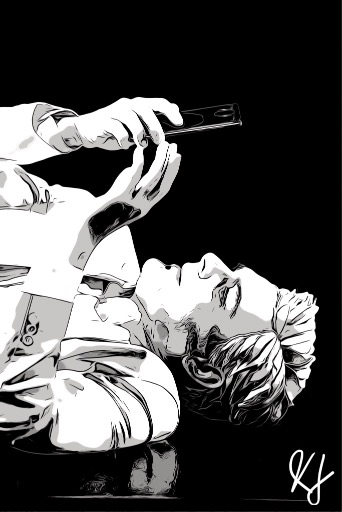
PORTRAIT publiziert in der Ausgabe des Monatsmagazins OPERNRING ZWEI.[:en]Daniel Jenz has been a member of the Vienna State Opera ensemble since 2020. Recent highlights here were his role as the Steersman (»The Flying Dutchman«) under the baton of Bertrand de Billy and his role debuts as the Kavalier (»Cardillac«) under Cornelius Meister and as Leukippos (»Daphne«) under Sebastian Weigle. He could also be seen at the Haus am Ring in the new productions of »Salome« (Narraboth/Director: Cyril Teste), »Tristan und Isolde« (A shepherd/Director: Calixto Bieito) and »Parsifal« (3rd Squire/Director: Kirill Serebrennikow). He interpreted Froh (»Das Rheingold«) under the baton of Franz Welser-Möst, Jaquino (»Fidelio«) under Axel Kober and Andres (»Wozzeck«) under Philippe Jordan. He made particular vocal highlights as Nutrice/Primo Famigliare in »L’incoronazione di Poppea“ and in the 2023/24 season as the White Minister in György Ligeti’s »Le Grand Macabre“ – both premieres at the Vienna State Opera under Pablo Heras-Casado. In 2024 he made his debut at the Bayreuth Festival in the new production of „Tristan and Isolde“ and will also take part in the new production “Die Meistersinger von Nürnberg” in 2025.
The german tenor Daniel Jenz was born in Esslingen am Neckar. He studied at the Universities of Graz and Mainz and was part of the Young Ensemble of the Staatstheater Mainz. He has won the Bundeswettbewerb Gesang in 2006 and in 2009 was awarded the Franz-Völker-Preis for young tenors.
He had guest performances at the Staatsoper Berlin, the Teatro Massimo di Palermo, the opera Frankfurt and Bonn, the Hamburg State Opera, at the National Theatre Mannheim, at the State Theatre Linz, the Schleswig-Holstein Music Festival, in the Liverpool Philharmonic Hall and worked with Philippe Jordan, Bertrand de Billy, Semyon Bychkov, Marco Armiliato, Omer Meir Wellber, René Jacobs, Sylvain Cambreling, Dennis Russell Davies, Alexander Soddy and Thomas Guggeis.
He was member of the Stadttheater Hildesheim, he belonged to the ensemble of the Theater Lübeck and the Staatstheater Kassel. Here he sang for instance Baron Kronthal (»Der Wildschütz«), Tom Rakewell (»The Rake’s Progress«), Fenton (»Die lustigen Weiber von Windsor«), Steersman (»The Flying Dutchman«) and Tamino (»Die Zauberflöte«).
At the Lehár Festival Bad Ischl 2019 he interpreted Maxime de la Vallé in the operetta »Clo-Clo« by Franz Lehár. This rediscovery was awarded the “Frosch des Monats” by the BR-Klassik Operetten-Boulevard and released as a world premiere CD recording on the 150th birthday of Franz Lehár. In 2024, the recording of “Parsifal” by the Vienna State Opera was released by Sony Classical.
Further debuts at the Vienna State Opera in the 2024/25 season include Tybalt in Gounod’s »Roméo et Juliette«, Brighella in Strauss‘ »Ariadne auf Naxos« and Walther von der Vogelweide (»Tannhäuser«) by Richard Wagner. He also celebrates his Italian debut with Ligetis‘ “Le Grand Macabre” at the Teatro Massimo in Palermo.
PORTRAIT published in the issue of the monthly magazine OPERNRING ZWEI.[:]